Product
Contact Us
- Mr. Zhang 13961458166
- 0519-88908166
- xldry8166@163.com
- No. 67, Zhujia Bridge, Sheng'an Village, Zhenglu Town, Tianning, Changzhou, Jiangsu




- Product Details
- Photo Collection
Description:
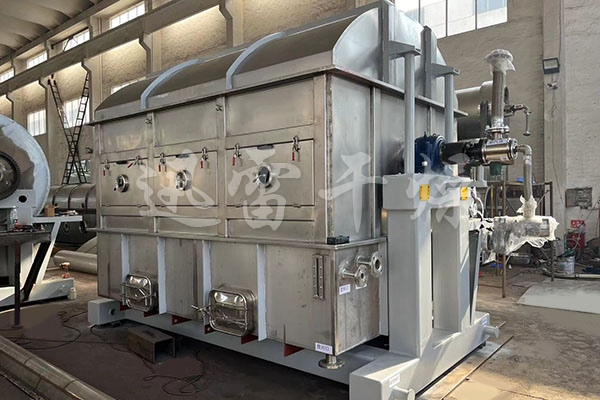
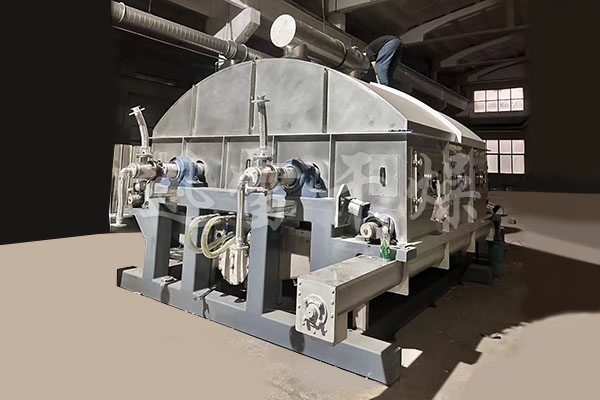
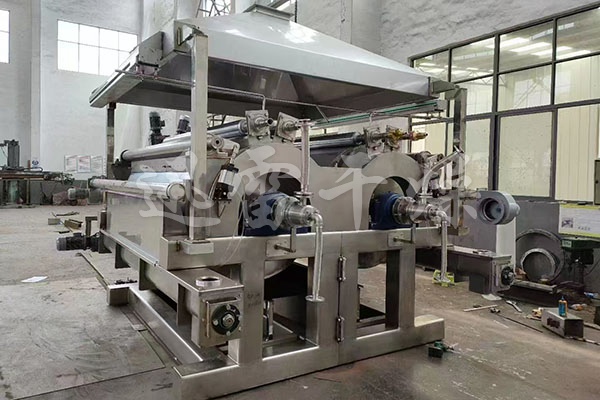
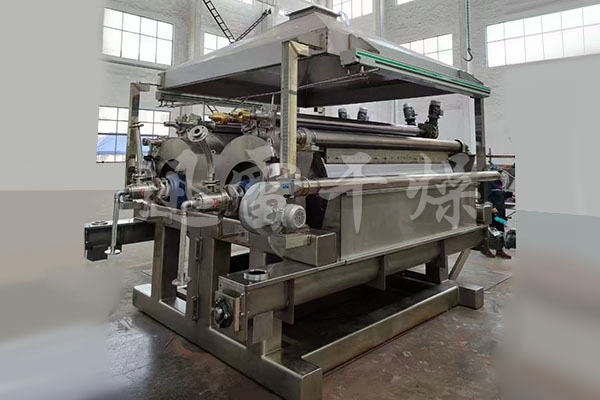
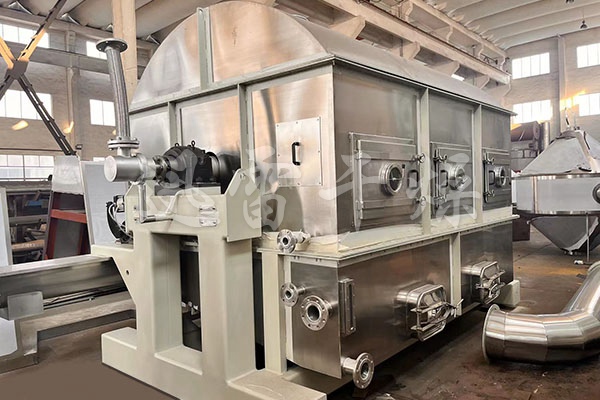
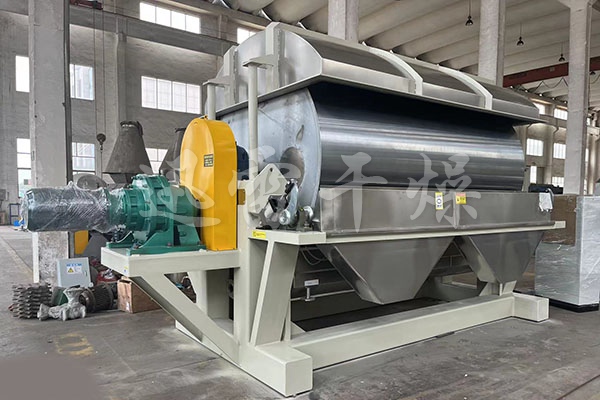
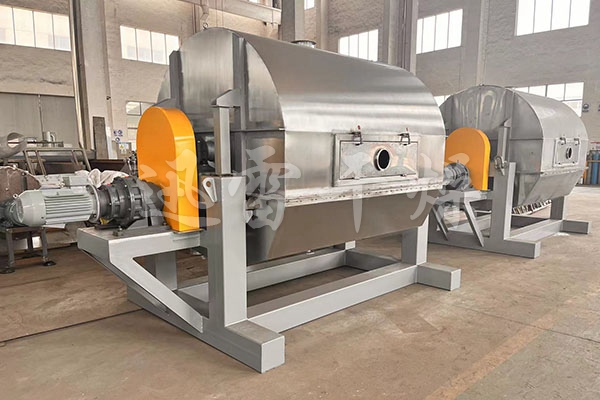
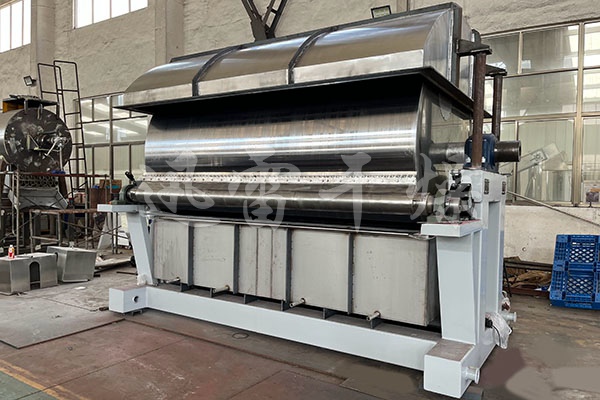
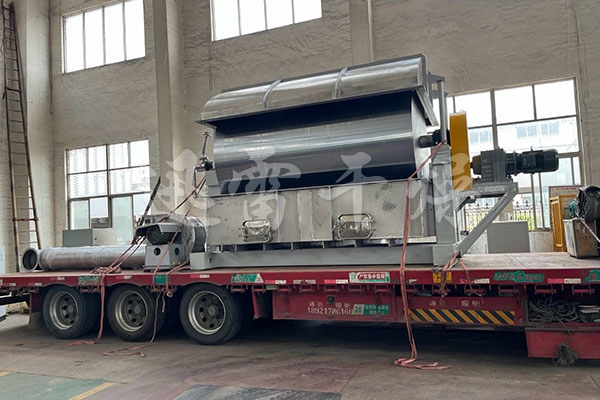
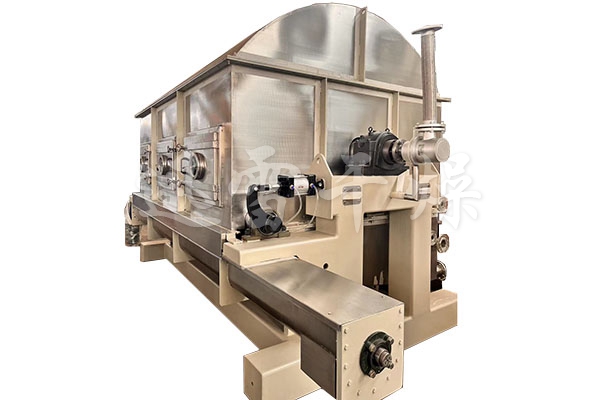
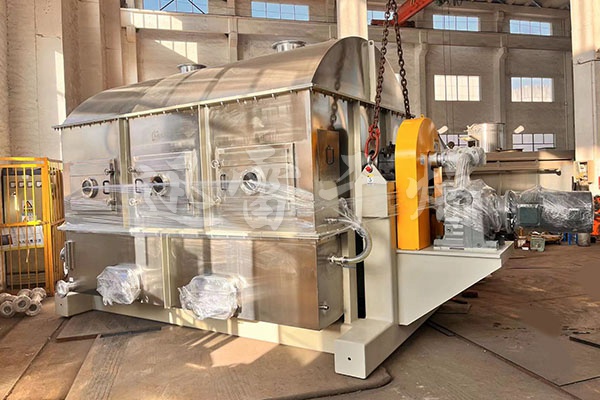
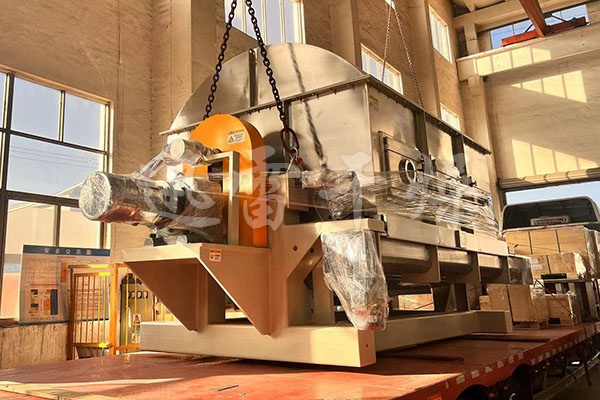
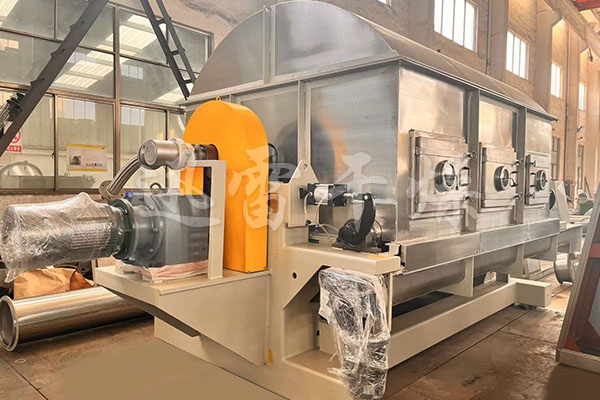
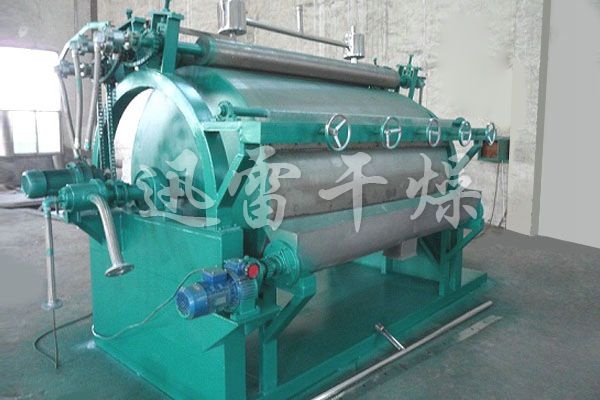
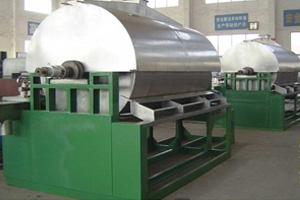
The rotary scraper dryer is a continuous rotating drying equipment with internal heating and conduction.
Category:
rotary dryer
Detailed description:
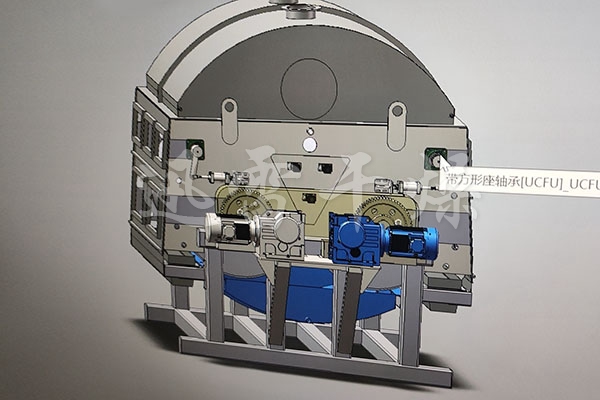
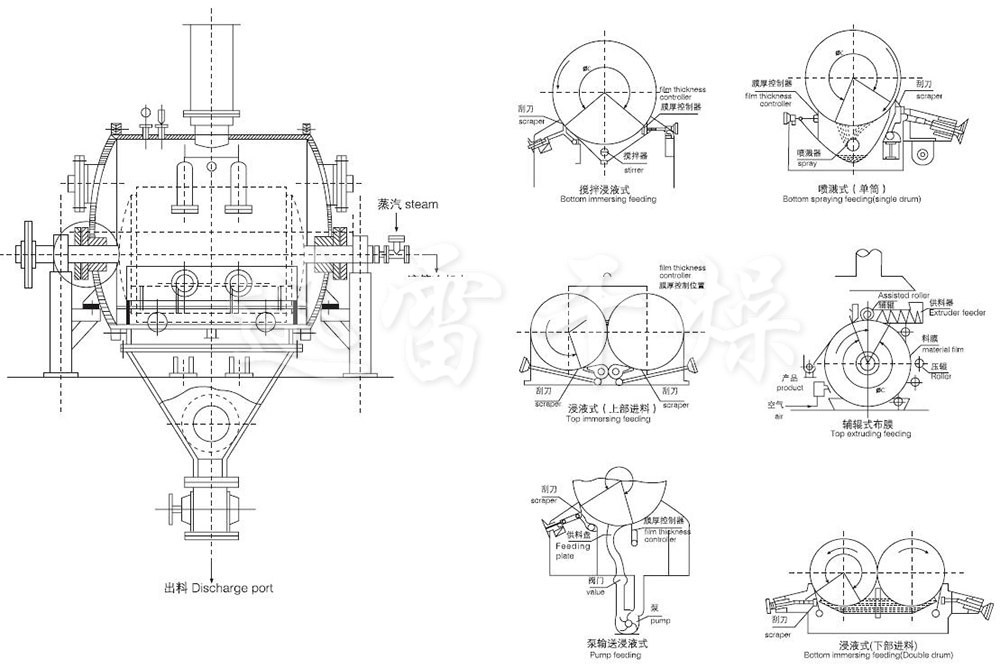
The roller scraper dryer is a continuous rotating drying device of internal heating conduction type. The rotating roller passes through its lower material chute, adhering to a thick layer of material film. Heat is transmitted through pipes to the inner wall of the roller, conducted to the outer wall, and then transferred to the material film, causing the moisture in the material film to evaporate and dehumidify, thus drying the moisture-containing material. The dried material is scraped off the roller by the scraper mounted on the roller surface and placed onto the screw conveyor below the scraper. The screw conveyor collects and packages the dry material.
Features:
● High thermal efficiency. Due to the heat transfer mechanism of the drum dryer being heat conduction, the direction of heat transfer remains consistent throughout the entire operation cycle. Except for heat loss through the cover and heat radiation, all the remaining heat is used for the evaporation of moisture in the cylinder material film, achieving a thermal efficiency of up to 80%-90%.
● High operational flexibility and wide applicability. Many drying factors of the rotary dryer can be adjusted. For example, the concentration of the feedstock, the thickness of the coating film, the temperature of the heating medium, and the rotational speed of the rotary drum can all affect the drying efficiency of the rotary dryer, and these factors are independent of each other. This brings great convenience to the operation of the rotary dryer, making it adaptable to the drying of various materials and different production requirements
● Short drying time. The drying cycle of materials is generally only 10-300 seconds, which is suitable for heat-sensitive materials. If the rotary dryer is placed in a vacuum chamber, it can operate under reduced pressure
● High drying rate. Due to the thin film of coating applied to the cylinder wall, typically ranging from 0.3 to 1.5 mm, and the consistent direction of heat and mass transfer, the surface of the film can maintain an evaporation intensity of 20-70 kg•H2O/m2•h.
Flowchart:
Application:
The HG series roller scraper dryer is widely used in the processes of filming and drying viscous and paste-like materials in industries such as food, chemical, and pharmaceutical.
Technical parameter table:
Specifications | Roller size (mm) | Effective heating area(m2) | Drying capacity(kg/h) | Steam consumption(kg/h) | Motor power(kw) | Overall dimensions(mm) | Weight(kg) |
HG-600 | Φ600×800 | 1.12 | 40-70 | 100-175 | 1.1 | 1700×800×1500 | 850 |
HG-700 | Φ700×1000 | 1.65 | 60-90 | 150-225 | 2.05 | 2100×1000×1800 | 1210 |
HG-800 | Φ800×1200 | 2.26 | 90-130 | 225-325 | 3.75 | 2500×1100×1980 | 1700 |
HG-1000 | Φ1000×1400 | 3.30 | 130-190 | 325-475 | 4.75 | 2700×1300×2250 | 2100 |
HG-1200 | Φ1200×1500 | 4.24 | 160-250 | 400-625 | 4.75 | 2800×1500×2450 | 2650 |
HG-1400 | Φ1400×1600 | 5.28 | 210-310 | 525-775 | 6.25 | 3150×1700×2800 | 3220 |
HG-1600 | Φ1600×1800 | 6.79 | 270-400 | 675-1000 | 6.25 | 3350×1900×3150 | 4350 |
HG-1800 | Φ1800×2000 | 8.48 | 330-500 | 825-1250 | 8.6 | 3600×2050×3500 | 5100 |
HG-1800A | Φ1800×2000 | 10.60 | 420-630 | 1050-1575 | 8.6 | 4100×2050×3500 | 6150 |
Note: Some parameters may be adjusted during design according to different materials, and the design shall prevail.
Video:
Experts analyze that the Chinese rotar···
26.01.28Working principle of purifying hot air···
26.01.28Spray drying is a method of systematic···
26.01.28Troubleshooting and equipment advantag···
26.01.28How to choose a suitable hot air circu···
26.01.28Methods of spray drying and comparison···
26.01.28Internal structure and atomization pro···
26.01.28Granulation function of horizontal spr···
26.01.28New Trends in the Integration of Dryin···
26.01.28Comparison and difference between ultr···
26.01.28